All-on-4 vs All-on-6: Which Full-Arch Option Fits You?
Comparing All-on-4 vs All-on-6 full-arch implants in San Jose? Get an honest breakdown and book a consult with San Jose Dental Studio today.
Both All-on-4 and All-on-6 replace a full arch of missing or failing teeth with a fixed prosthesis anchored to four or six implants. All-on-4 works well for patients with moderate bone loss and a lower budget, while All-on-6 adds two extra implants for patients with heavier bite forces, wider arches, or a preference for extra support. Neither option is universally “better”; the right choice depends on your bone volume, bite pattern, and goals, which is why a CBCT scan and a real consultation matter more than the number in the name.
What’s the Actual Difference Between All-on-4 and All-on-6?
All-on-4 uses four implants per arch: two placed vertically in the front and two angled at roughly 45 degrees in the back to reach denser bone and avoid grafting. All-on-6 uses that same layout plus two additional implants placed in the mid-arch region. The extra anchor points in All-on-6 spread bite force across more implants, which can reduce stress on any single fixture, particularly under heavy chewing loads.
Neither protocol is inherently premium. All-on-4 was engineered specifically to work in cases of moderate bone resorption without grafting, so adding implants in a low-density area doesn’t automatically improve outcomes; it can just add more sites that need to integrate successfully.
Who Is a Better Candidate for All-on-6?
All-on-6 tends to make more clinical sense for patients who grind their teeth heavily, have unusually wide arches, or have excellent bone density throughout the jaw. Spreading occlusal load across six implants instead of four reduces the force each implant absorbs, which can matter for long-term prosthetic stability in bruxism cases.
It’s also a reasonable choice for patients who want built-in redundancy; if one implant later needs attention, the other five can often keep the prosthesis stable while it’s addressed. Patients should still confirm bone volume at each proposed implant site with imaging before assuming six implants are appropriate.
Who Is a Better Candidate for All-on-4?
All-on-4 is frequently the right choice, not a fallback, for patients with moderate bone loss, since the angled posterior implants are specifically designed to engage available bone without grafting. It also tends to be the more sensible option when cost is a real constraint, since two fewer implants means less surgical time and lower total treatment cost without necessarily changing the outcome.
“In my experience, patients often assume more implants automatically means a stronger result, but the deciding factor is really where your bone is and how your bite functions, not the number on the treatment plan,” says Dr. Ravneet Dhillon, DDS, of San Jose Dental Studio. “A four-implant plan that’s well-positioned can outperform a six-implant plan placed into compromised bone.”
What Happens at the Consultation Appointment?
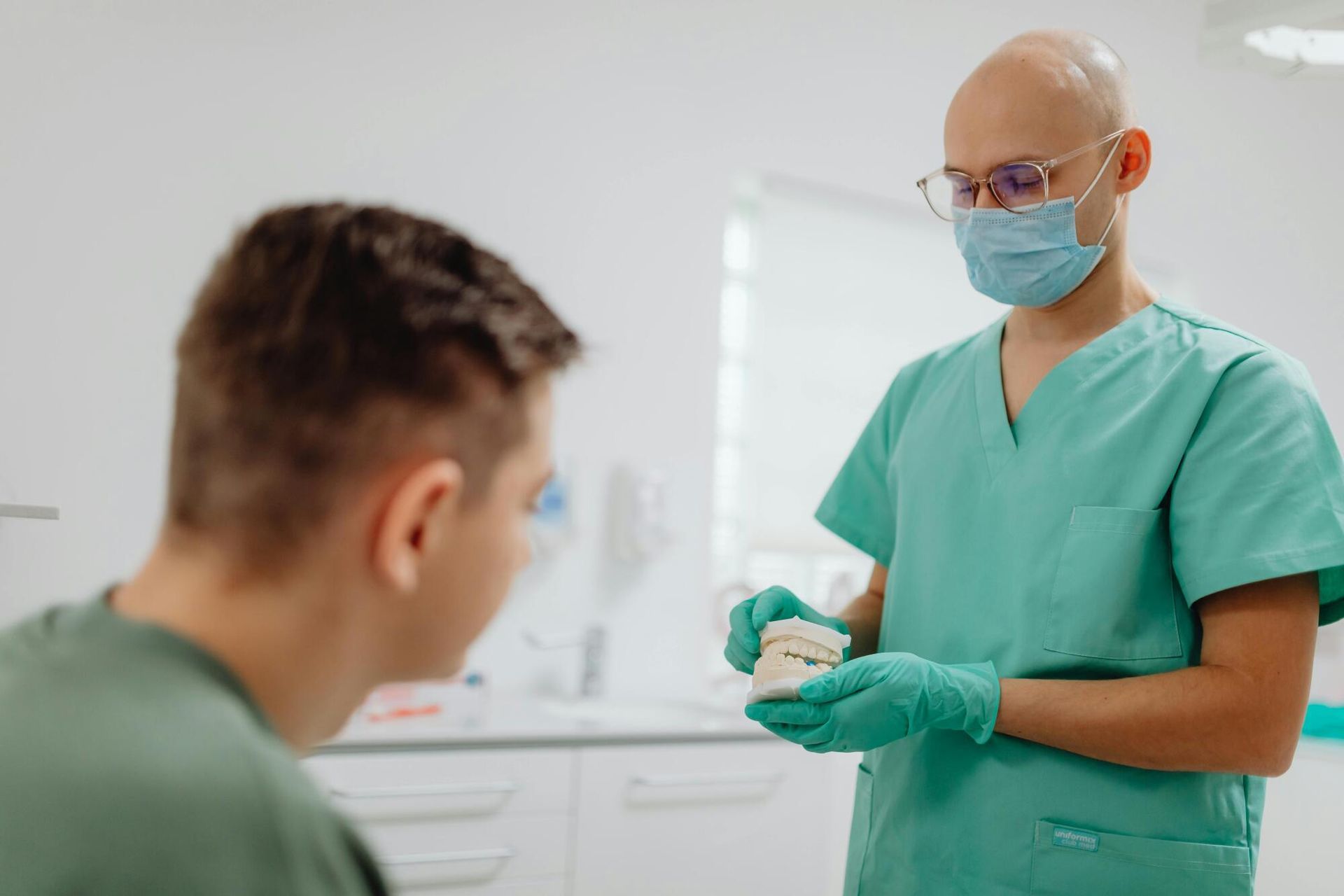
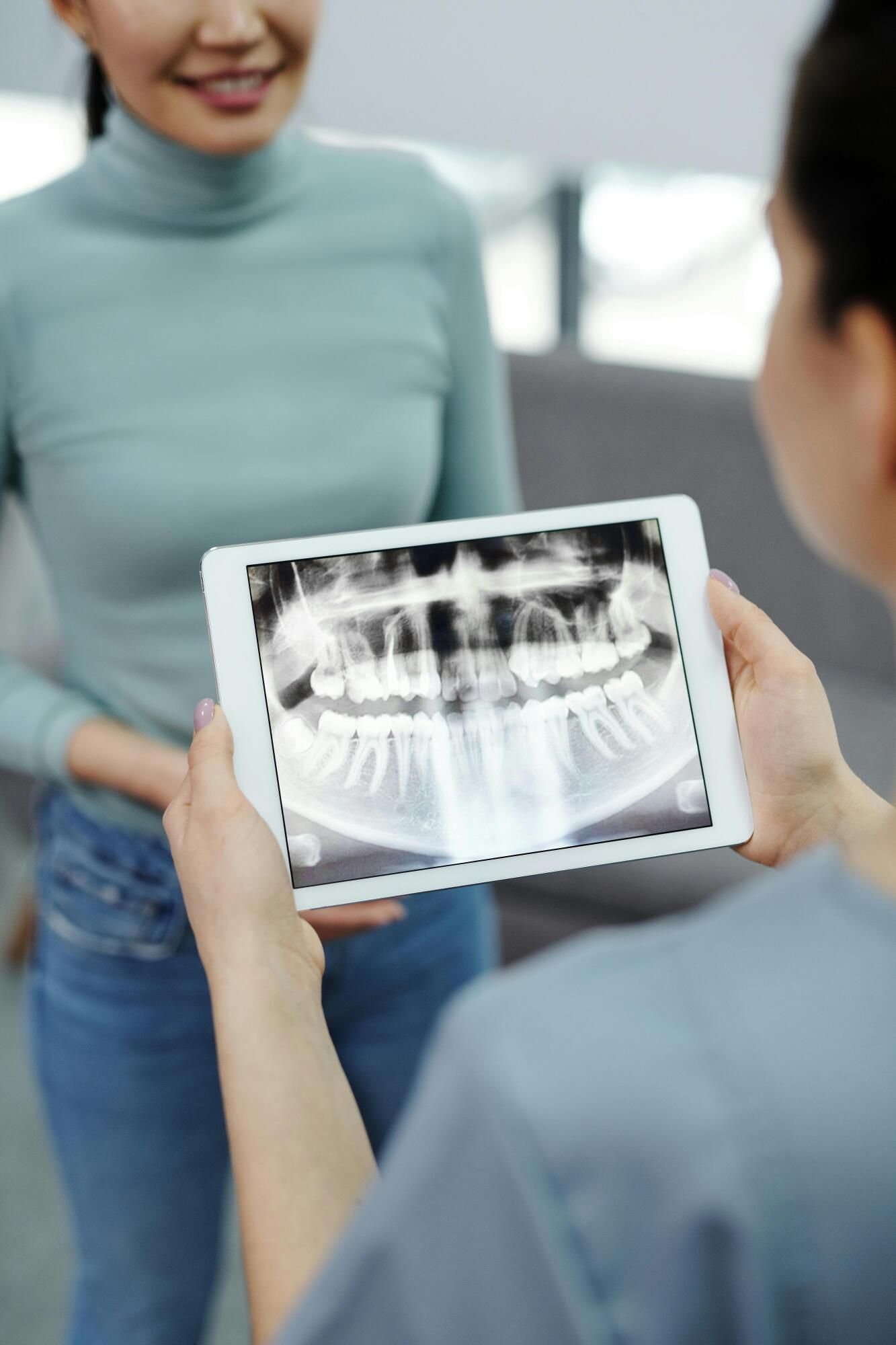
At a full-arch consultation, expect a clinical exam, a panoramic or 3D scan to map bone volume and nerve position, a bite assessment, and a discussion of your medical history and any grinding habits. Most patients leave with a tentative recommendation of four or six implants per arch, though the final plan is often confirmed once imaging is fully reviewed. Sedation options are typically discussed at this visit if you’re anxious about the surgical appointment.
This is also the point where cost is usually scoped out. Full-arch treatment (implants, abutments, and the fixed prosthesis) generally falls between $18,000 and $45,000 per arch, depending on the number of implants, prosthetic material, and whether any grafting is needed; figures vary by case and should always be confirmed in writing.
An imaging review at San Jose Dental Studio can tell you which protocol your bone anatomy supports.
What Does Recovery and Timeline Actually Look Like?
Both protocols follow a broadly similar timeline. Surgery day typically includes implant placement and a provisional fixed prosthesis, so most patients don’t leave without teeth. Osseointegration, the process where bone fuses to the implant, generally takes 3 to 6 months, after which the final, more durable prosthesis is fitted.
The first 7–10 days after surgery usually involve a soft-food diet, mild swelling, and prescribed pain management. Most patients return to work within a few days to a week, though this varies by case. Follow-up visits during the healing period check gum tissue, bite alignment on the provisional, and implant stability before final fabrication begins.
Cost, Maintenance, and the Detail Most Articles Skip
Where most comparisons stop short is long-term maintenance cost, and it’s a real factor in the decision. Six implants generally mean more prosthetic connection points to clean and monitor during hygiene visits, and if a repair is ever needed on the bar or bridge, more implants can mean more complexity in retrofitting. Four implants, by contrast, are simpler to maintain but leave less margin if one implant underperforms.
Insurance also rarely covers full-arch implant treatment outright, though some PPO plans contribute toward extractions, sedation, or the crown/bridge component. Ask your provider for a pre-treatment estimate rather than assuming a fixed percentage will apply; implant surgery itself is frequently excluded even when other dental work is covered.
The implant procedure page covers how we structure planning, sedation, and prosthetic delivery across both protocols.
San Jose Considerations Worth Knowing
Full-arch cases in the South San Jose area often involve patients transitioning from long-term partial or full dentures, so bone resorption assessment matters more than it would for a patient who lost teeth recently. A same-visit imaging review helps set realistic expectations before committing to a four- or six-implant plan. If you’re weighing this decision, bringing prior dental records or panoramic X-rays to your first appointment can shorten the planning phase considerably.
FAQs
Q.1 Is All-on-6 always stronger than All-on-4?
A: Not necessarily. All-on-6 spreads bite force across more implants, which helps in cases of heavy grinding or wide arches. But if your bone quality favors a four-implant plan, adding two more implants doesn’t automatically strengthen the result; it may just add more sites that need to heal successfully.
Q.2 Can I switch from dentures to All-on-4 or All-on-6 in one visit?
A: Many patients receive a provisional fixed prosthesis on the same day as implant placement, so you typically don’t leave without teeth. The final prosthesis follows after osseointegration, generally 3–6 months later, once your dentist confirms the implants have fully integrated.
Q.3 How do I know if I need bone grafting first?
A: A 3D scan during your consultation shows whether there’s enough bone volume at each proposed implant site. If bone is insufficient in key areas, your dentist may recommend grafting or an alternate implant angle before finalizing your treatment plan.
Ready to Find Out Which Option Fits Your Bone and Bite?
Call San Jose Dental Studio at (408) 201-9600 to speak with our team or book your appointment online to schedule your full-arch consultation with Dr. Ravneet Dhillon, DDS.