What Happens During a Comprehensive Dental Exam?
A comprehensive dental exam is a detailed oral health checkup that allows a dentist to assess the condition of your teeth, gums, bite alignment, and overall oral health. During this visit, your dentist reviews your dental history, performs a full examination, may take digital X-rays, and identifies potential issues before they become serious problems.
Oral health affects much more than just your smile. According to the CDC, oral health research shows that almost all adults aged 20 or older (90% or more) have experienced cavities in their permanent teeth at some point. Many patients walk into a routine dental visit expecting a quick cleaning and a friendly send-off. In reality, a full exam goes much deeper.
At San Jose Dental Studio, preventive care forms the foundation of long-term dental wellness.
Why Comprehensive Dental Exams Are Important
Routine dental exams do much more than check for cavities. They allow dentists to monitor changes in oral health over time and identify potential problems early.
When issues like tooth decay or gum inflammation are caught early, treatment is typically faster, simpler, and more comfortable. That early insight can make a big difference for both oral health and long-term costs.
Patients who prioritize regular exams through general dentistry services often experience fewer dental emergencies and better long-term outcomes.
What Happens During a Comprehensive Dental Exam?
The dental examination process typically includes several steps designed to evaluate your oral health from multiple angles. Each step helps dentists detect issues that may not be visible during everyday brushing or flossing.
While procedures can vary slightly between dental offices, most comprehensive exams include the following stages:
- Review of medical and dental history
- Visual examination of teeth and gums
- Digital X-rays, when necessary
- Evaluation of bite alignment
- Screening for oral health concerns
These steps work together to provide a complete picture of your oral health and guide future treatment decisions.
Reviewing Your Dental and Medical History
The exam usually begins with a review of your medical and dental history. This helps dentists understand factors that may influence your oral health.
Conditions such as diabetes, medications, or previous dental treatments can affect how dentists approach preventive care. Even lifestyle habits like diet or grinding your teeth at night may play a role.
If you have experienced sensitivity, jaw discomfort, or bleeding gums, this is the perfect time to mention it. Sharing these details helps your dentist tailor the exam to your needs.
A Thorough Visual Examination
Next comes a visual inspection of your teeth, gums, and surrounding oral tissues. Dentists look for early signs of cavities, enamel wear, gum inflammation, or other dental concerns.
Using specialized tools and bright lighting, dentists can detect subtle changes that may not be noticeable during daily brushing or flossing.
Many patients schedule these exams alongside professional cleanings and dental exams, allowing dental teams to examine tooth surfaces while removing plaque and tartar closely.
Digital X-Rays and Diagnostic Imaging
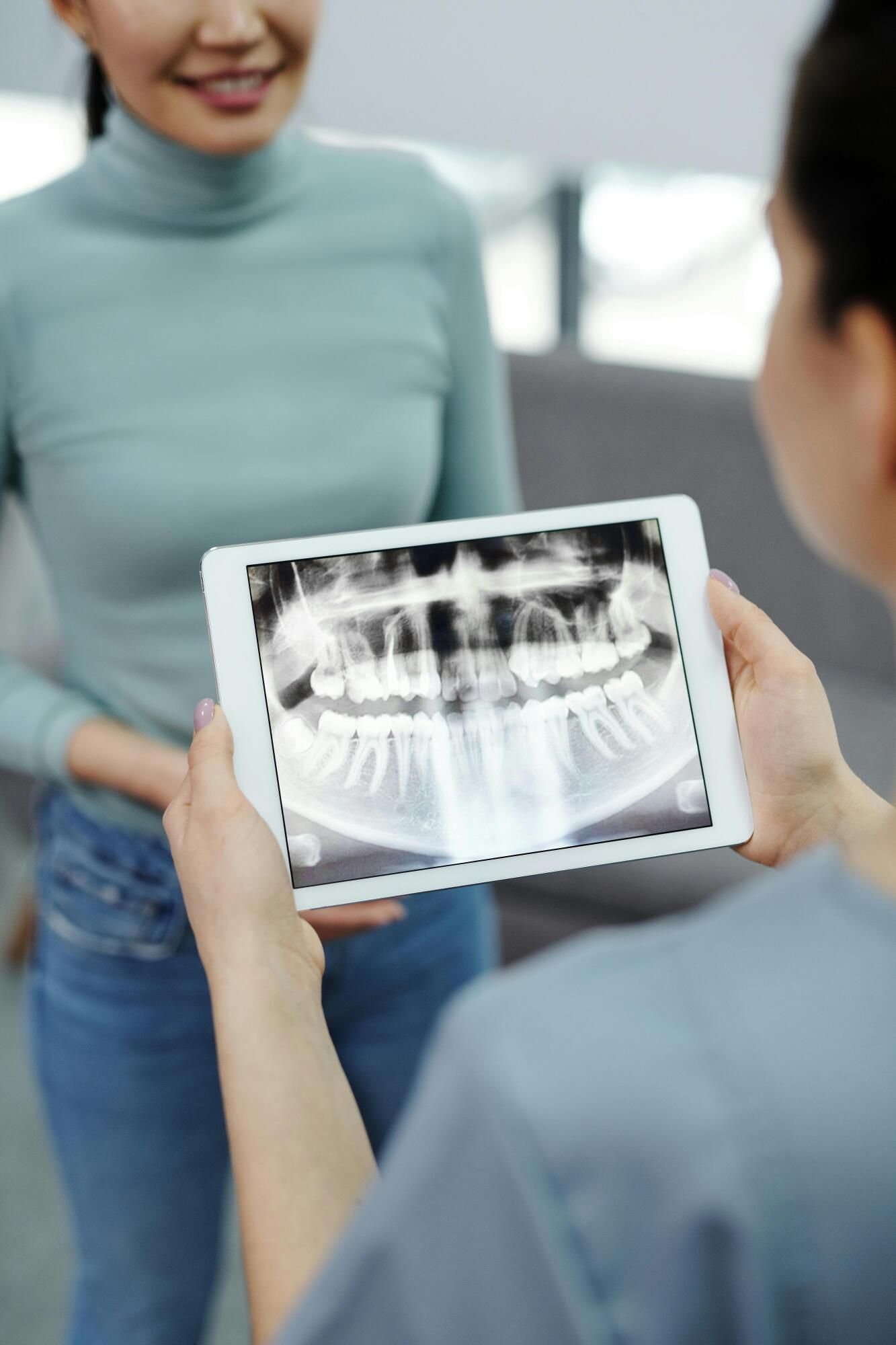
Digital X-rays are often an essential part of a comprehensive dental exam. These images reveal areas of the mouth that are not visible during a visual inspection.
X-rays help dentists detect hidden cavities, bone loss, impacted teeth, or infections beneath the gum line. Modern dental practices rely on digital imaging systems that produce clearer images while keeping radiation exposure extremely low.
Checking Gum Health and Signs of Gum Disease
During a comprehensive exam, dentists evaluate the gums for signs of inflammation, infection, or recession. This often includes measuring the spaces between the teeth and gums, known as periodontal pockets. Shallow pockets typically indicate healthy gums, while deeper measurements may signal gum disease.
Oral health issues are more common than many people realize. A report on oral diseases from the American Dental Association notes that nearly half the world's population is affected by oral disease in some form.
Evaluating Bite Alignment and Jaw Function
Your dentist will also examine how your teeth come together when you bite. This is known as occlusion or bite alignment.
If the bite is uneven, certain teeth may experience more pressure than others. Over time, that pressure can lead to wear, sensitivity, or discomfort.
Dentists may also check the function of the jaw joints, which allow the mouth to open, close, and move side to side. Identifying bite issues early can help prevent long-term strain on the teeth and jaw.
Screening for Oral Cancer
Oral cancer screenings are commonly included during comprehensive dental exams. Dentists examine the lips, tongue, cheeks, throat, and surrounding tissues for unusual changes.
They look for abnormalities such as sores, discoloration, or lumps that may require further evaluation. The screening is quick and painless, yet it plays an important role in detecting potential health concerns early.
Professional Dental Cleaning
Many routine dental visits combine a comprehensive exam with a professional cleaning. Cleanings remove plaque and hardened tartar that brushing and flossing cannot eliminate.
Dental hygienists carefully clean around the gum line and between teeth using specialized tools.
Patients receiving cleanings, X-rays, and exams benefit from both preventive care and early detection during the same appointment.
After cleaning, teeth are often polished to remove surface stains and create a smoother surface that reduces plaque buildup.
Preventive Treatments That Protect Your Teeth
Preventive strategies remain one of the most effective ways to prevent tooth decay. The AAP, CDC, and ADA all confirm that fluoridated water alone can prevent at least 25% of tooth decay throughout a person's lifetime. Fluoride helps reinforce tooth enamel, making it more resistant to acids produced by bacteria and sugary foods.
Patients may receive professional fluoride treatments during their visit, especially if they are prone to cavities.
These quick treatments provide an extra layer of protection between dental visits.
Technology Used During Modern Dental Exams
Today's dental practices use advanced technology to make exams more precise and more comfortable for patients.
At San Jose Dental Studio, modern diagnostic tools help dentists identify issues earlier and plan treatments with greater accuracy:
- Digital X-rays for detailed imaging
- 3D imaging for treatment planning
- CEREC technology for same-day crowns
- Laser dentistry for minimally invasive procedures
Technology like this allows dentists to diagnose problems sooner and provide efficient, comfortable care.
Dental Care Tips Between Exams
While professional exams are essential, daily habits play a huge role in protecting oral health.
Simple routines practiced consistently can significantly reduce the risk of cavities and gum disease:
- Brush twice daily with fluoride toothpaste
- Floss once per day
- Replace toothbrushes every three months
- Limit sugary snacks and drinks
- Schedule routine dental visits
These habits support the long-term benefits of preventive dental care.
How Often Should You Schedule a Comprehensive Dental Exam?
Most dentists recommend scheduling a comprehensive dental exam every six months. Regular visits allow dentists to monitor oral health and catch problems early.
Some patients may benefit from more frequent visits depending on their dental history or gum health.
Routine appointments through general dentistry care help maintain strong teeth and healthy gums for years to come.
Frequently Asked Questions
What Is Included in a Comprehensive Dental Exam?
A comprehensive dental exam usually includes a review of your dental history, a visual inspection of teeth and gums, digital X-rays if needed, evaluation of bite alignment, and screenings for oral health concerns. Many visits also include a professional cleaning to remove plaque and tartar.
How Long Does a Dental Exam Usually Take?
Most comprehensive dental exams take between 45 minutes and one hour. The exact timing depends on whether X-rays, cleanings, or additional screenings are performed during the visit.
What Is the Importance of Dental Exams for Young Adults?
Routine exams allow dentists to identify problems like cavities, gum disease, and enamel wear early. Early detection often means simpler treatment, lower costs, and better long-term oral health.
Recent dental spending data from the Centers for Medicare & Medicaid Services shows that Americans spent about $189 billion on dental care in 2024, highlighting the continued demand for preventive and restorative dental services.
Are Dental X-Rays Safe?
Yes. Modern digital dental X-rays use extremely low levels of radiation and are considered safe for routine diagnostic use. Dentists only recommend them when they are necessary to evaluate areas that cannot be seen during a visual exam.
What Should I Do to Prepare for a Dental Exam?
Preparing for a dental exam is simple, but a few small steps can help your appointment go smoothly. Brush and floss before your visit so your dentist can clearly evaluate your teeth and gums.
Bring a list of medications you take, note any symptoms like sensitivity or jaw pain, and be ready to discuss recent changes in your health. Sharing this information helps your dental team provide more personalized care.
Supporting Long-Term Oral Health Through Preventive Care
A comprehensive dental exam remains one of the most effective ways to protect your oral health. These visits allow dentists to detect problems early, monitor changes over time, and recommend treatments that support healthy teeth and gums.
Dr. Ravneet Dhillon has been practicing dentistry since 2016. He says that through routine checkups, professional cleanings, and consistent home care, patients can maintain strong smiles for years to come.
At San Jose Dental Studio, advanced technology, personalized care, and a prevention-focused approach help patients protect their smiles with confidence.
Scheduling regular exams with a trusted dental team is one of the smartest steps you can take toward lifelong oral health.