Am I a Candidate for Dental Implants? Understanding Bone Mass and Oral Health
More people qualify for dental implants than they realize. Healthy gums, adequate jawbone support, and stable overall oral health all play major roles in determining whether implants can safely and successfully support your smile.
Nearly 15% of adults aged 65 and older in the United States have lost all of their natural teeth, according to the Centers for Disease Control and Prevention (CDC). Missing teeth can affect how you eat, speak, and even how your jawbone holds its shape over time. That growing concern has pushed more people to explore whether dental implants could restore both comfort and confidence.
Strong gums and healthy bone support are two of the biggest factors dentists check before treatment begins. Bone grafting, advanced imaging, and full-arch options now give more adults a safe way to rebuild their smile. A detailed evaluation can reveal far more possibilities than you may expect.
Can Bone Loss Prevent Dental Implants?
Bone loss can make dental implants more challenging, but it does not always stop treatment. Dentists often assess the thickness and strength of your jaw during scans to determine whether the implant will remain secure over time.
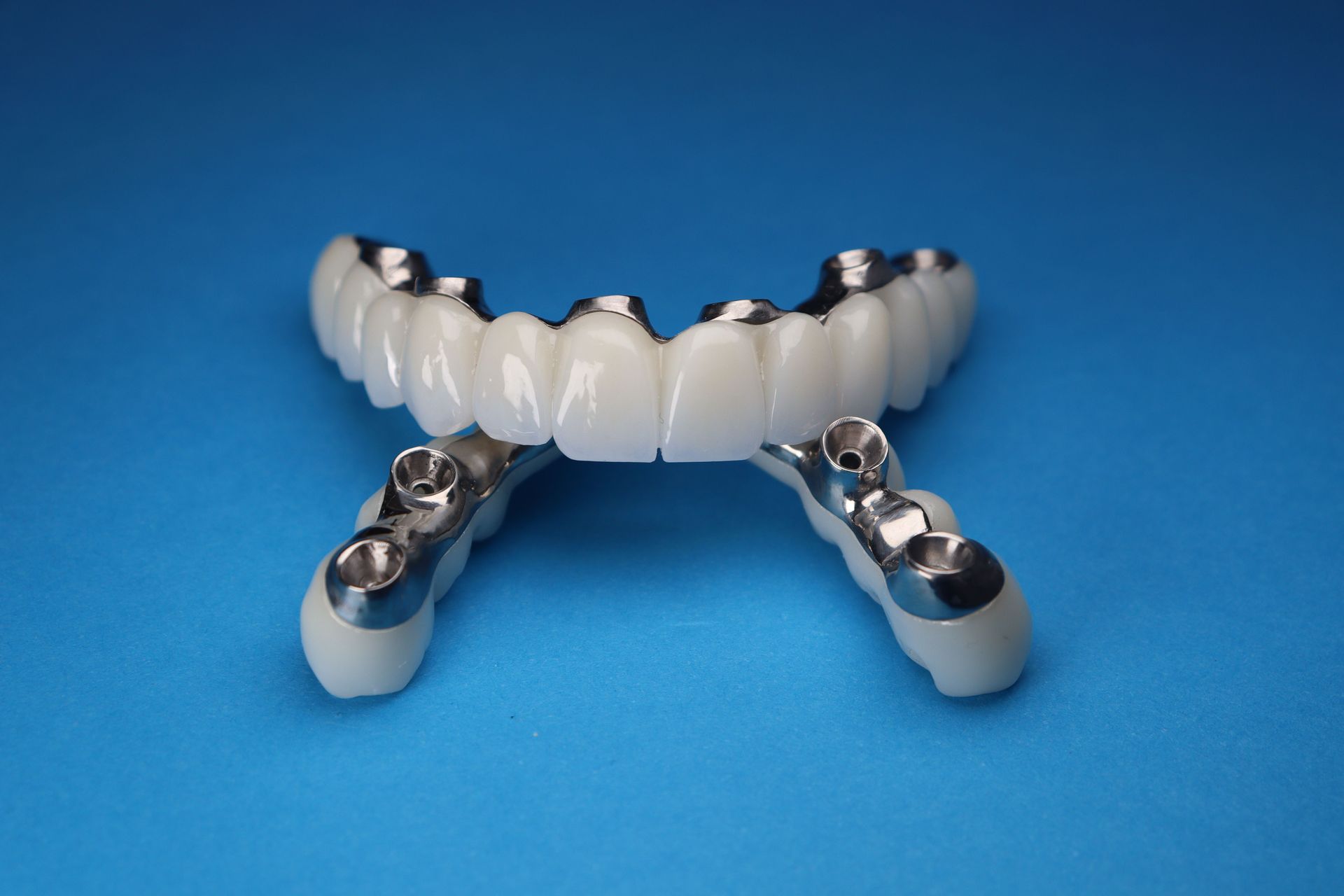
Several modern treatments can help rebuild support before surgery. Bone grafting and All-on-4 systems may allow many patients with lower bone density to still qualify for implants safely and comfortably.
What Oral Health Problems Affect Implant Candidacy?
Healthy gums play a major role in the long-term success of implants. Gum disease, untreated infections, and severe tooth decay can weaken the tissue and bone that hold implants firmly in place.
Dentists usually treat existing oral health problems before moving forward with surgery. Clean and stable gums create a much stronger foundation for healing, comfort, and long-lasting implant support.
How Dentists Evaluate Implant Eligibility
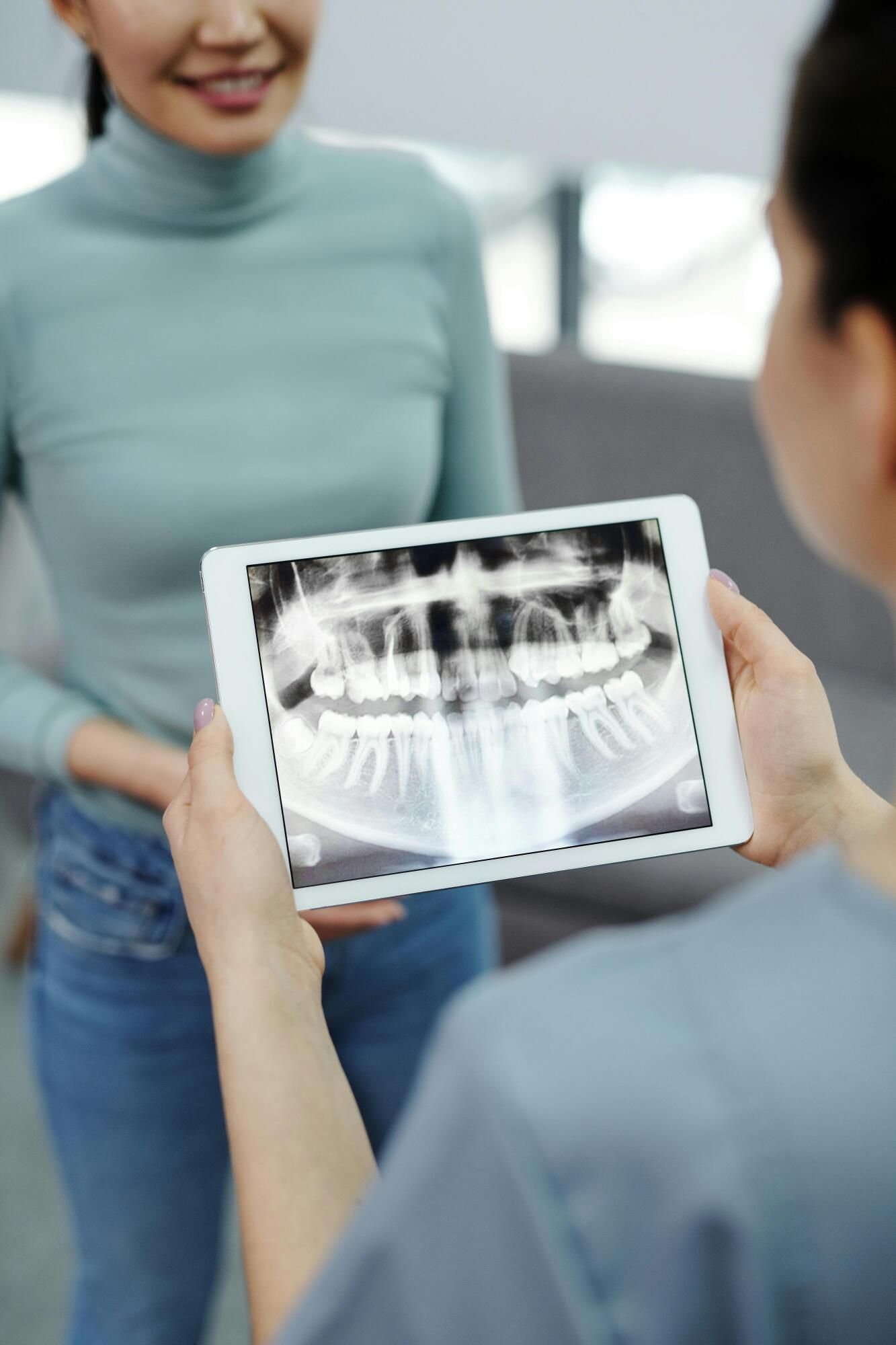
Your dentist will look at several areas before deciding whether implants are the right option. A full exam usually includes digital X-rays, gum checks, and a close look at your jawbone strength. Medical history matters too because certain conditions can affect healing after surgery.
Bone density plays a major role during the evaluation process. Lower jawbone volume may reduce stability, especially in areas where teeth have been missing for years. Strong bone support helps implants stay secure for decades when healing goes smoothly, and oral care stays consistent.
A consultation may include checks like:
- Jawbone thickness
- Gum condition
- Bite alignment
- Tooth spacing
- Healing ability
Lifestyle habits also affect dental implant eligibility. Smoking, uncontrolled diabetes, and poor oral hygiene can increase the risk of implant failure. Dentists often recommend improving gum health before moving forward with treatment.
Preparation may feel detailed, yet each step protects your long-term results. Careful planning helps reduce complications and gives your implant candidacy a stronger foundation. Modern scans now allow dentists to spot problems early and create safer, tailored treatment plans for your mouth.
Why Gum Health Matters Before Surgery
Healthy gums create the foundation that supports every stage of dental surgery preparation. Inflamed or infected tissue can weaken the surrounding area and increase the risk of healing problems after placement. Dentists often focus on improving gum health first because healthy tissue helps protect the jawbone beneath.
Signs of gum trouble may appear small at first. Bleeding while brushing, tenderness, swelling, or bad breath can point toward an infection that needs treatment before implant surgery begins. Oral health factors like untreated periodontal disease may slowly damage bone support over time, making implants less secure.
Some common warning signs include:
- Bleeding gums
- Gum recession
- Loose teeth
- Persistent odor
- Swollen tissue
Treatment plans often involve deep cleaning, better home care, and regular dental visits. Some patients may also need antibiotics or periodontal therapy to reduce infection before implants are considered. Healthy gums give implants a far better chance of lasting comfortably and securely for many years.
Strong oral care habits after surgery matter too. Daily brushing, flossing, and professional cleanings help protect both your implants and the surrounding tissues long after healing has ended.
How Bone Grafting Expands Your Options
Hearing that you have low bone density can feel discouraging at first. Many patients assume implant candidacy ends there, yet modern dentistry offers several ways to rebuild lost support before surgery begins. Bone grafting helps strengthen weak areas of the jaw, so implants have a more stable foundation during healing.
Bone loss often happens after missing teeth remain untreated for years. Gum disease, injuries, and long-term denture use can also reduce jawbone volume over time. During a bone mass evaluation, dentists use detailed scans to measure how much support remains and whether grafting may improve long-term success.
The procedure works by adding bone material into thinner areas of the jaw. Over time, your body naturally fuses with the graft, creating stronger support for future implants. Healing may take several months, though the added stability can greatly improve implant success rates later.
Bone grafting can reopen the door to treatment for many people who were once told implants were impossible. Advanced techniques now allow dentists to restore support in ways that were far less common years ago. Careful planning and healing time often lead to stronger, longer-lasting implant results.
Lifestyle Habits That Affect Implant Success
Your daily habits can strongly influence how well implants heal and how long they last. Even strong bone support may struggle under constant pressure from smoking, poor oral hygiene, or uncontrolled health conditions. Dentists look closely at lifestyle patterns because healing depends on far more than surgery alone.
Smoking creates one of the biggest risks during recovery. Reduced blood flow can slow healing and increase the chances of infection around the implant site. Poor brushing habits may also allow bacteria to build up around the gums and weaken the surrounding tissue over time.
Several habits may affect implant candidacy:
- Smoking cigarettes
- Heavy alcohol use
- Poor brushing
- Skipping cleanings
- Teeth grinding
Certain medical conditions may also require extra monitoring before treatment begins. Diabetes, immune disorders, and severe dry mouth can make recovery slower if symptoms are not controlled properly. Consistent oral care habits often play a major role in long-term implant stability and comfort.
Dentists usually recommend healthier routines before surgery to improve healing outcomes. Better nutrition, regular cleanings, and stopping tobacco use can all strengthen your chances of successful dental implants. Small changes before treatment often create stronger results years later.
What To Expect During Implant Preparation
The preparation stage often begins weeks before the implant itself is placed. Dentists use scans, impressions, and oral exams to develop a treatment plan tailored to your jaw structure and long-term goals. Careful planning also helps identify oral health factors that could interfere with healing later.
Some patients may need extractions, gum treatment, or bone support procedures before surgery can proceed safely. Timing matters because your mouth needs enough stability to support the implant during recovery. Dental surgery preparation may also include reviewing medications and discussing medical conditions that affect healing.
Preparation instructions usually cover:
- Medication adjustments
- Oral hygiene steps
- Diet changes
- Healing timelines
- Follow-up visits
Many patients feel nervous before treatment starts, yet the process is often more structured and controlled than expected. Modern imaging allows dentists to map placement with impressive precision, helping reduce complications and improve comfort during surgery. Detailed preparation often creates smoother healing and stronger implant support afterward.
Recovery expectations are also discussed before the procedure begins. Knowing what to expect with swelling, eating habits, and follow-up care can help you feel more confident throughout the entire implant process.
Frequently Asked Questions
How Long Do Dental Implants Usually Last?
Dental implants can last for decades when properly cared for. Good brushing habits, routine dental visits, and healthy gums all help protect the implant and surrounding bone.
Smoking and untreated gum disease may shorten the lifespan of implants. Many patients keep their implants stable for many years with consistent oral care.
Does Getting Dental Implants Hurt?
Most patients report less discomfort than expected during treatment. Dentists use local anesthesia and modern techniques to keep the procedure comfortable during surgery.
Mild soreness and swelling can happen afterward for a few days. Pain usually improves with rest, soft foods, and proper aftercare instructions.
Can Older Adults Still Qualify for Dental Implants?
Age alone does not usually prevent implant candidacy. Dentists focus more on bone support, gum health, and overall healing ability during the evaluation process. Many older adults successfully receive implants each year.
How Long Does Implant Healing Take?
Healing times vary depending on oral health and bone condition. Many patients heal within a few months before the final crown placement occurs.
Why Dental Implants Can Transform Your Smile
Dental implants can restore more than missing teeth because they also help support your jaw, speech, and everyday comfort. Strong gums, healthy bone support, and careful treatment planning all improve your chances of long-term success with implants.
A confident smile can change the way every conversation, meal, and photograph feels; that journey deserves care built around precision and comfort. At
San Jose Dental Studio, patients receive advanced implant care, including full-mouth restoration options and personalized treatment planning designed to rebuild both function and confidence